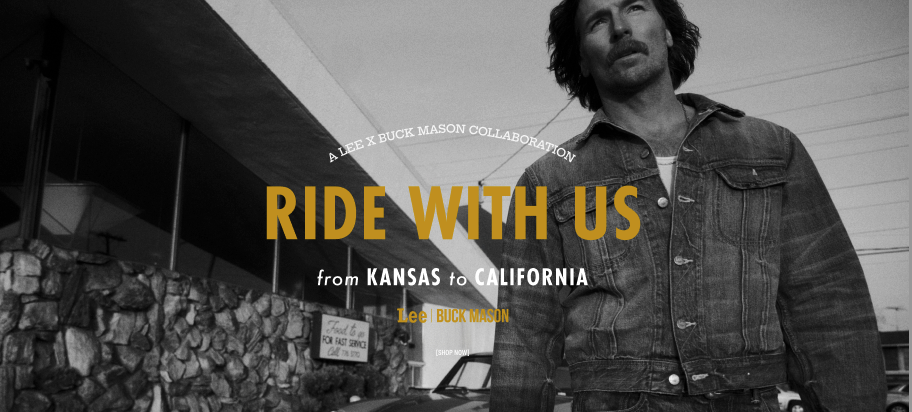
Buck Mason x Lee — RIDE WITH US
Editorial Direction • Copy
For this side of the Lee x Buck Mason collaboration, the design team recreated a very specific wartime 101 Rider jean. Understanding its history was key to appreciating what set it apart from other versions of the 101. By the time I joined the project, the campaign was already taking shape around a cinematic vision of Hollywood and American rebellion. I connected the two through Ride With Us, an editorial journey tracing Lee’s original American Rider from the manufacturing restrictions of WWII to its emergence as an icon of American style a decade later.
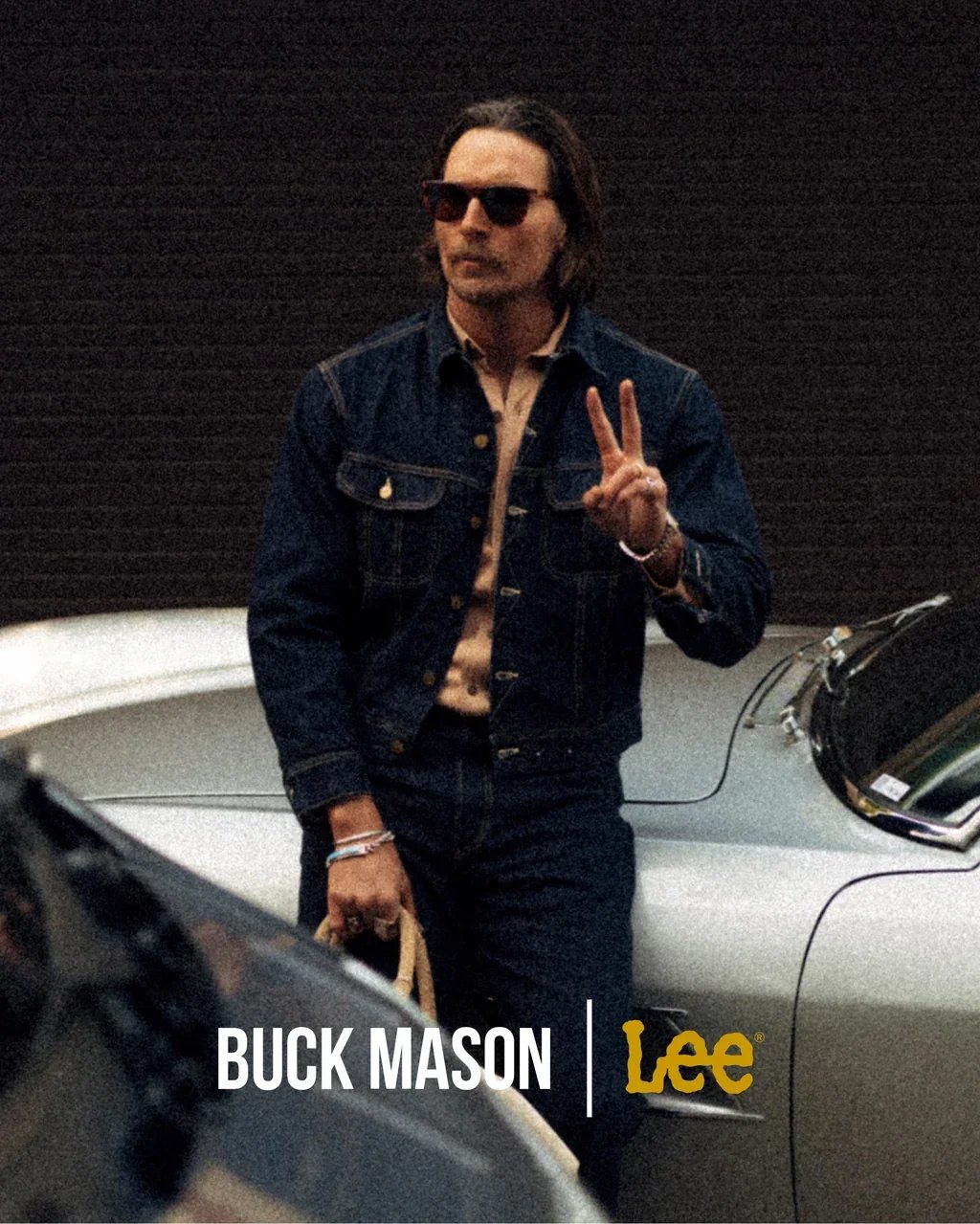
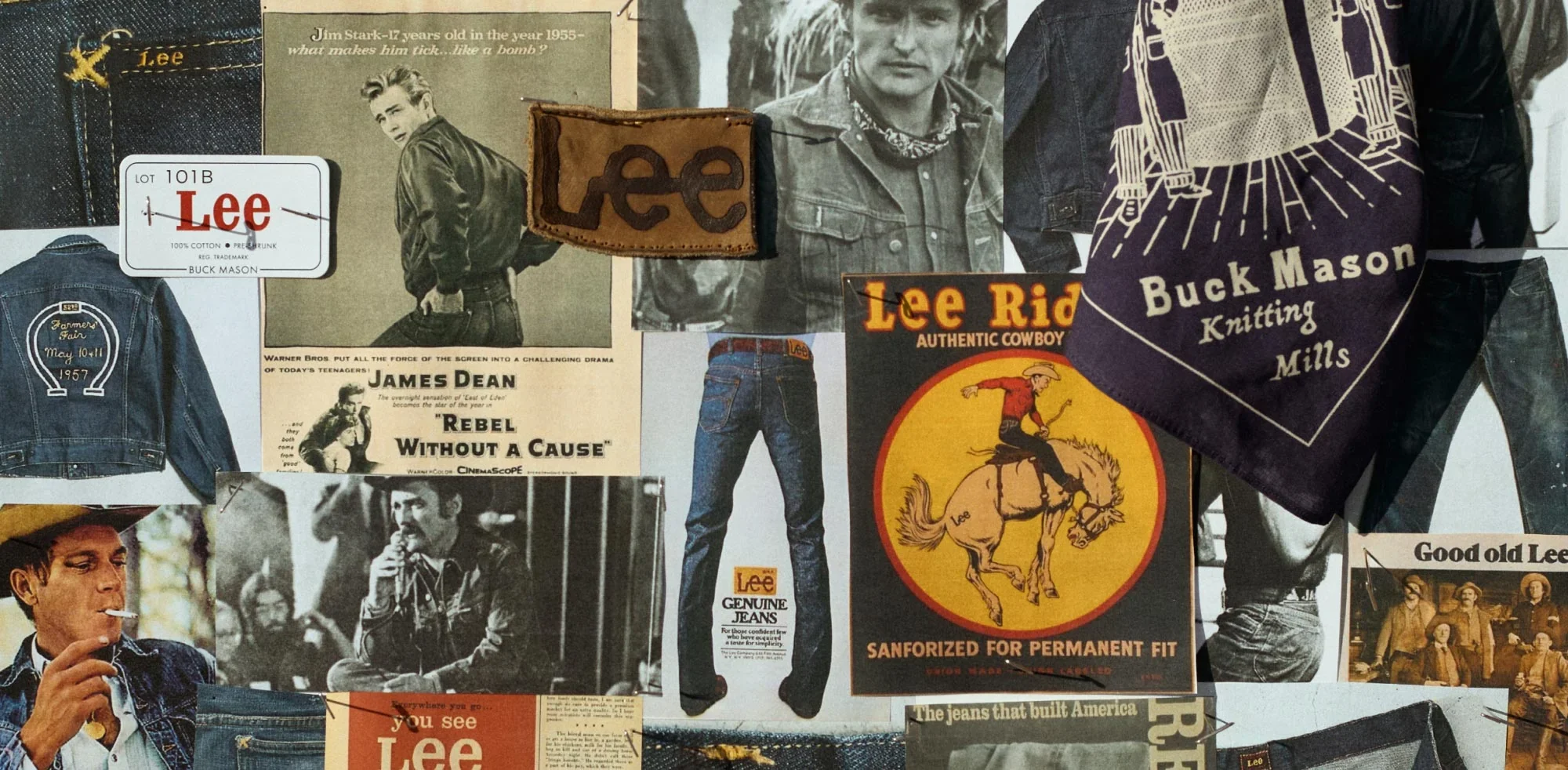
One label is responsible for the first pair of coveralls in 1913, the first pair of zippered blue jeans in 1927, and the template that would come to define an American cool for generations in the 1950s. From their early days as a general mercantile store in Salina, Kansas, Lee™ has been here—iterating and innovating since 1889. Yet it’s often overlooked that during the wartime rationing of the 1940s, Lee would leave some of its most indelible marks on our culture—most notably, with a few subtle revisions to that pair of jeans with the zipper, the 101.
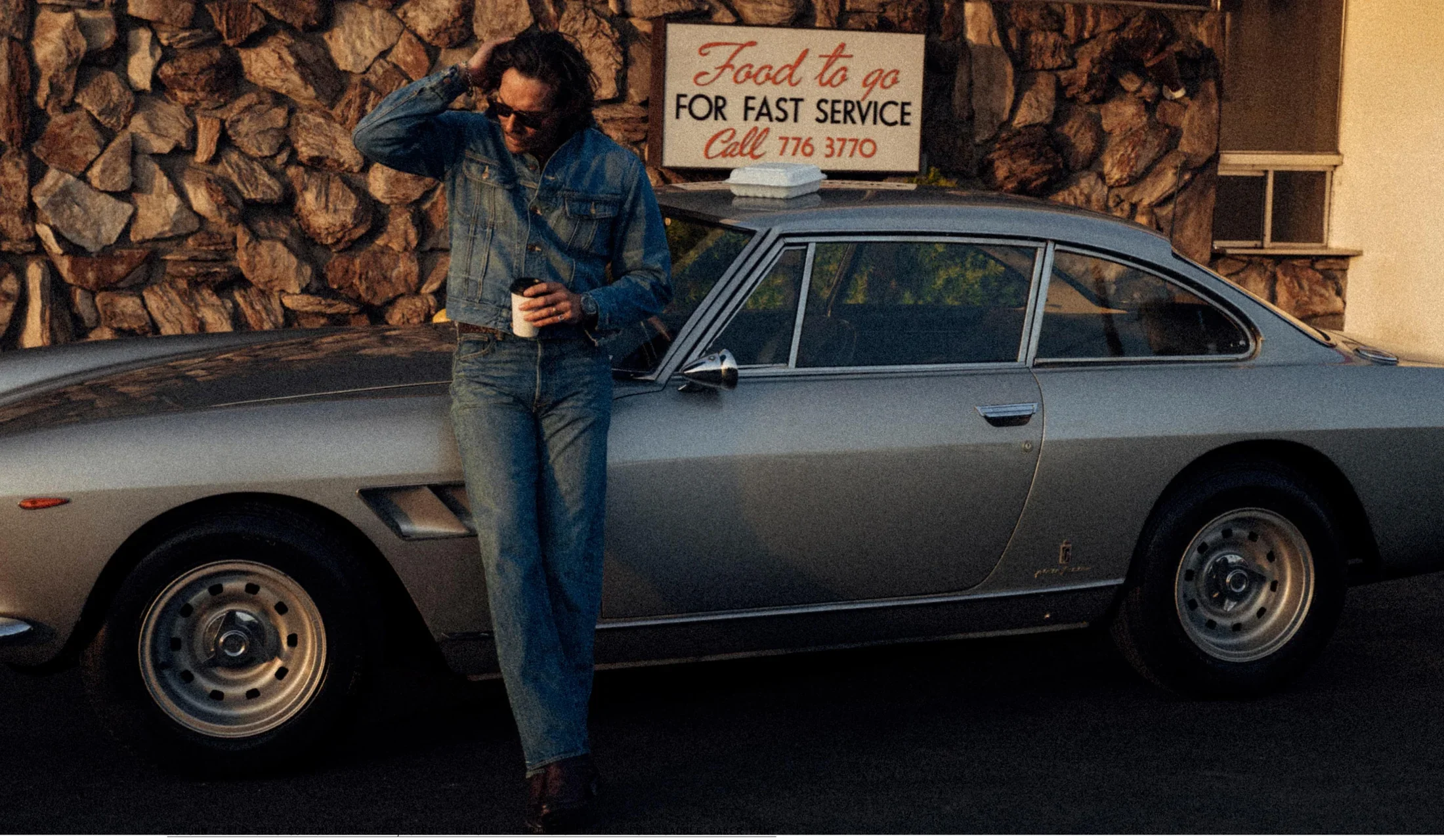
In the early forties, wartime restrictions on materials led Lee to refine the 101, which was still being made with a zipper fly and its original buckle-back cinch. With zippers needed for the war effort, buttons returned to the fly as they had prior to 1927, while a paring back of hardware and subtle changes to construction saw the buckle-back disappear for good. The result was one of the earliest representations of the modern-day blue jean. Just over a decade later, a young, handsome rebel would hit the silver screen in a very similar 101, teaching a nation of impressionable teenagers how to wear denim with style.